How Long Do Brakes Last?
Your vehicle’s brakes are one of the most important safety systems you rely on every day. Whether you’re commuting through Pottstown, driving Route 422, or taking weekend trips across southeastern Pennsylvania, your brakes need to perform every time you press the pedal.
One of the most common questions drivers ask is:
“How long do brakes last?”
The answer depends on several factors, including your driving habits, the type of vehicle you drive, road conditions, and the quality of your brake components. While some brake pads may last 25,000 miles, others can exceed 70,000 miles with proper maintenance.
In this guide, we’ll explain how long brake pads and rotors typically last, the warning signs of brake wear, what affects brake life, and how regular brake inspections can help keep you safe on Pennsylvania roads.
Average Brake Pad Lifespan
Most modern brake pads last between:
30,000–70,000 miles
However, that’s only a general estimate.
Your brake life depends on:
- Driving style
- Traffic conditions
- Vehicle weight
- Brake pad material
- Road conditions
- Towing
- Mountain driving
Some drivers may replace brake pads every 25,000 miles, while others can drive over 70,000 miles before needing service.
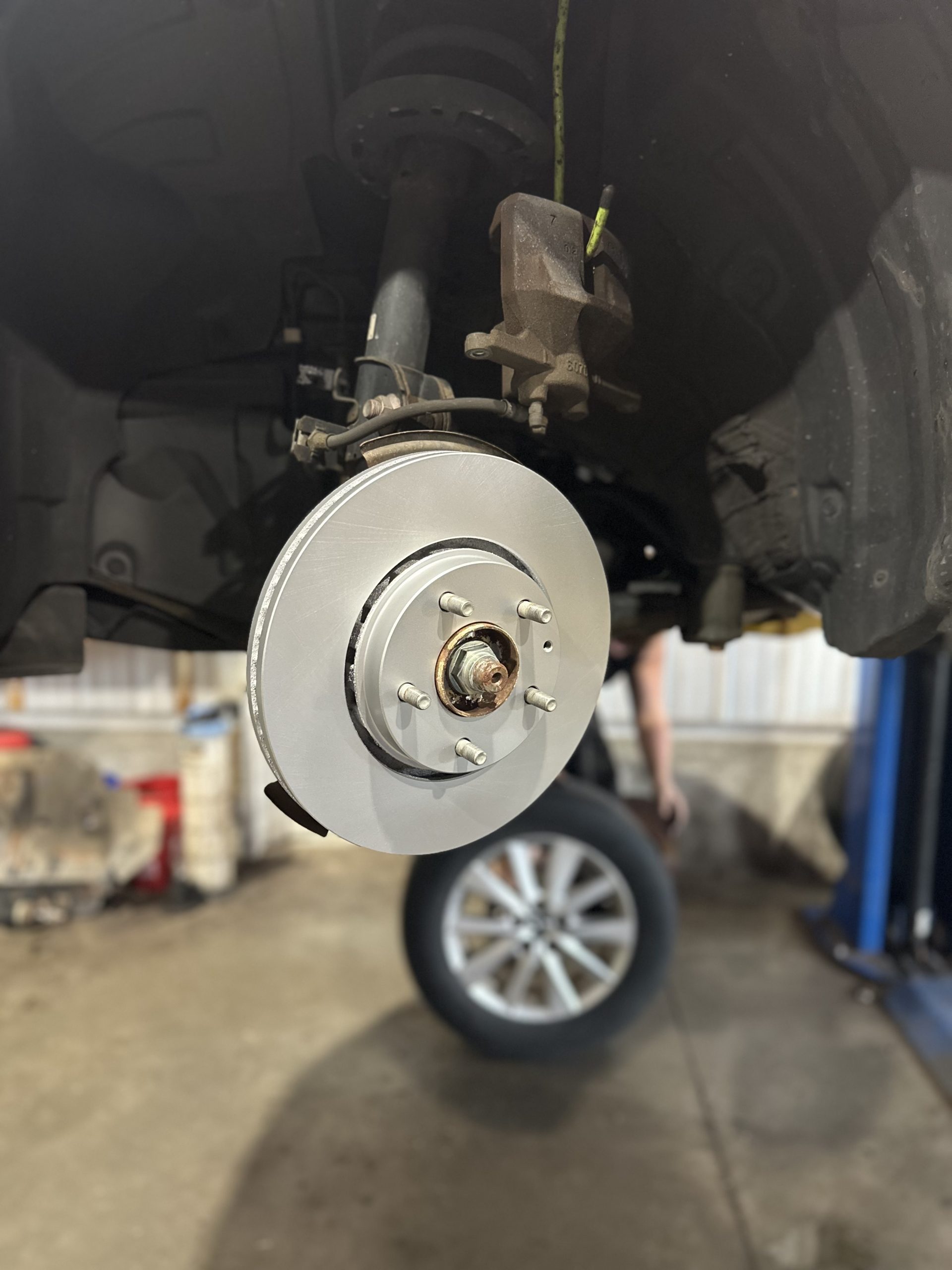
How Long Do Brake Rotors Last?
Brake rotors generally last:
50,000–70,000 miles
Some premium rotors can last much longer when properly maintained.
Rotors wear every time your brake pads make contact with them. Over time they become thinner, develop grooves, or warp from excessive heat.
A technician will measure rotor thickness during a brake inspection to determine whether they can be resurfaced or should be replaced.
Factors That Affect Brake Life
Not all brake systems wear at the same rate.
1. Driving Habits
Aggressive driving shortens brake life.
Frequent hard braking creates excessive heat and causes brake pads to wear much faster.
Gentle, gradual braking extends the life of your entire braking system.
2. Stop-and-Go Traffic
City driving causes significantly more brake wear than highway driving.
If you’re constantly stopping at traffic lights or sitting in rush-hour traffic, your brake pads will wear faster than someone who primarily drives on open highways.
3. Vehicle Weight
Larger vehicles naturally place more stress on the braking system.
Examples include:
- SUVs
- Pickup trucks
- Work vans
- Vehicles carrying heavy cargo
Heavier vehicles typically require more frequent brake service.
4. Brake Pad Material
Different brake pad materials wear differently.
Organic Brake Pads
- Quiet operation
- Lower cost
- Wear faster
Semi-Metallic Brake Pads
- Excellent stopping power
- Longer life
- Common on many vehicles
Ceramic Brake Pads
- Long lifespan
- Minimal brake dust
- Quiet performance
- Higher initial cost
Your technician can recommend the best option based on your vehicle and driving habits.
5. Weather and Road Conditions
Pennsylvania weather can accelerate brake wear.
Road salt, moisture, dirt, and winter driving conditions can increase corrosion on brake components.
Regular inspections help catch problems before they become costly repairs.
Signs Your Brakes Need Attention
Never ignore changes in braking performance.
Common warning signs include:
Squeaking Brakes
Brake pads often include wear indicators that produce a squealing sound when replacement is needed.
Grinding Noise
Grinding usually means the brake pads have worn completely through.
At this point, metal contacts the rotor, which can quickly cause expensive damage.
Vibrating Brake Pedal
A vibration while braking often indicates warped brake rotors.
Steering Wheel Shaking
If your steering wheel shakes while slowing down, your brake rotors may be uneven or warped.
Soft Brake Pedal
A brake pedal that feels soft or spongy may indicate:
- Air in brake lines
- Brake fluid leak
- Master cylinder problems
These issues require immediate attention.
Longer Stopping Distance
If your vehicle takes longer to stop than normal, your braking system should be inspected as soon as possible.
Brake Warning Light
Never ignore your dashboard brake warning light.
It could indicate:
- Low brake fluid
- Worn brake pads
- ABS problems
- Hydraulic system issues
How to Make Your Brakes Last Longer
Good driving habits can significantly extend brake life.
Avoid Hard Braking
Whenever possible, begin slowing down gradually.
Maintain Safe Following Distance
Keeping more space between vehicles reduces sudden braking.
Remove Unnecessary Weight
Extra cargo forces your brakes to work harder.
Have Brakes Inspected Regularly
Routine inspections identify worn components before they become serious safety issues.
Replace Brake Pads Before They’re Completely Worn
Waiting too long often damages the rotors, increasing repair costs.
How Often Should Brakes Be Inspected?
Brake inspections should be performed:
- During every tire rotation
- At every oil change if possible
- At least once per year
- Before long road trips
- Anytime you notice unusual noises or vibrations
Preventative maintenance helps reduce repair costs and improves vehicle safety.
What Happens During a Brake Inspection?
At M&M Lube, our technicians inspect the entire braking system, including:
- Brake pads
- Brake rotors
- Brake calipers
- Brake hoses
- Brake lines
- Brake fluid
- Parking brake
- Hardware
- Wheel cylinders (where applicable)
- ABS warning lights
We provide honest recommendations based on the condition of your vehicle.
Can You Drive with Worn Brake Pads?
Technically, yes—but it’s not recommended.
Driving with worn brake pads can result in:
- Longer stopping distances
- Damaged rotors
- Increased repair costs
- Unsafe driving conditions
- Complete brake failure in extreme cases
Replacing brake pads early is almost always less expensive than replacing pads and rotors together.
Why Brake Maintenance Saves Money
Routine brake service prevents larger repairs.
Replacing brake pads before they wear completely can help avoid:
- Rotor replacement
- Caliper damage
- Brake fluid contamination
- ABS component wear
Preventative maintenance is almost always less expensive than waiting for a failure.
Brake Repair Services at M&M Lube
Drivers throughout Pottstown trust M&M Lube for professional brake inspections and repairs.
Our brake services include:
- Brake pad replacement
- Brake rotor replacement
- Brake rotor resurfacing (when applicable)
- Brake fluid service
- Brake line inspection
- Caliper replacement
- Complete brake system diagnostics
- ABS diagnostics
- Brake inspections
- Preventative maintenance
Our experienced technicians use quality parts and follow manufacturer recommendations to help keep your vehicle safe.
Frequently Asked Questions
How long should brake pads last?
Most brake pads last between 30,000 and 70,000 miles, depending on driving habits, vehicle type, and road conditions.
How do I know if my brakes need replacing?
Common signs include:
- Squealing
- Grinding
- Vibrations
- Soft brake pedal
- Brake warning light
- Longer stopping distances
Can brake rotors be resurfaced?
Sometimes. If the rotors meet the manufacturer’s minimum thickness specification and aren’t excessively damaged, resurfacing may be an option. Otherwise, replacement is recommended.
Should I replace all four brakes at once?
Not always. Front brakes typically wear faster than rear brakes because they handle more of the stopping force. A brake inspection will determine which components need service.
How often should brake fluid be changed?
Most manufacturers recommend replacing brake fluid every 2–3 years, though intervals vary by vehicle. Fresh brake fluid helps maintain proper braking performance and protects the hydraulic system.
Why Choose M&M Lube for Brake Repair in Pottstown, PA?
When it comes to your safety, experience matters.
At M&M Lube, we provide honest recommendations, quality workmanship, and dependable brake repair services for drivers throughout Pottstown and the surrounding communities.
Whether you need new brake pads, rotor replacement, a complete brake inspection, or help diagnosing unusual brake noises, our team is ready to help.
Don’t wait until a minor brake issue becomes a major repair—or a safety hazard.
Schedule your brake inspection with M&M Lube today and drive with confidence knowing your vehicle’s braking system is ready for the road.
Suggested Internal Links
- Brake Repair Services
- Pennsylvania State Inspections
- Tire Sales & Installation
- Wheel Alignments
- Oil Change Services
- Suspension Repair
- Check Engine Light Diagnostics
- Contact M&M Lube
Suggested Image Alt Text
- Brake pad replacement in Pottstown PA
- Mechanic inspecting brake rotors
- Worn brake pads compared to new brake pads
- Brake repair service at M&M Lube
- Brake inspection in Pottstown Pennsylvania
- Vehicle brake rotor replacement
- Certified mechanic repairing brakes
- Brake system inspection at M&M Lube
AI Search Snippet
How long do brakes last?
Most brake pads last between 30,000 and 70,000 miles, while brake rotors often last 50,000 to 70,000 miles. Lifespan depends on driving habits, vehicle weight, road conditions, and brake pad material. If you notice squealing, grinding, vibrations, or longer stopping distances, it’s time to schedule a brake inspection. M&M Lube in Pottstown, PA offers professional brake inspections, brake pad replacement, rotor service, and complete brake repairs to help keep your vehicle safe.
